By
Margaretta wa Gacheru (Posted 3 April 2019)
It’s hard to
believe the same playwright who wrote ‘Hamlet’ and ‘Richard III’ also scripted
a farcical fantasy like ‘A Midsummer Night’s Dream’ back in 1595.
It’s even
harder to imagine that it wasn’t until 1962 that the comedic play was turned
into a magical ballet by George Ballanchine, complete with a delicious musical
score by Felix Mendelsohn. And finally, it wasn’t made into a Hollywood movie until
1999.
It was only
this past weekend that ‘A Midsummer Night’s Dream’ premiered in Nairobi at the
Kenya National Theatre, courtesy of Dance Centre Kenya. Featuring more than 60
dancers (aged 8 years on up to 28), DCK’s Artistic Director Cooper Rust once
again produced and directed a first-class production.
Granted she
had a little help from her many friends (including a few who came in especially
from the US to assist with technical features like lighting and sound) and
new-found sponsors like Barclays Bank and Yaya Centre.
She also
credits DCK parents for creating graceful costumes and Nathalie Fusillo’s
Palacina Interiors for constructing the sets.
But it’s
Naomi Wambui who actually painted the two beautiful backdrops. One is the Royal Greek garden where the story
begins with the Duke of Athens (Francis Waweru) determined his son Demetrius
(Antony Nduva) will marry the unwilling Hermia (Nifa Omondi), who only has eyes
for Lysander (Henry Mwaniki).
The other lusterous
set Wambui painted is the enchanted woodland where the dream comes alive as
Hermia and Lysander run away, followed by Demetrius who’s sought after by
Helena (Liana Eising) who can’t bear his rejection.
If the
romantic entanglements sound complex, they get more so once Oberon (Lawrence
Ogina), King of the Fairies, puts his court jester on the case. Puck (Silas
Ouma) is set loose to spray magic love potion on the sleeping sweethearts,
including the King’s devoted Queen Titiana (Kayla Hotz) who falls for the baffoonish
Rustic, Nick Bottom (George Okoth) after he’s been turned into a donkey by the
mischievous Puck.
The trick
about the potion is that it works after Puck splashes it on sleepers who, upon
waking up, fall in love with the first one they meet. This causes immense
mayhem. Fortunately, the King finally has Puck reverse the magic spell, leaving
the two pairs of young lovers resolved and the Duke prepared to relent.
The ‘Dream’
is a fantastical comedy and big credits go to the young dancers as well as to
Cooper whose choreography included not just dance but also dramatic acting, physical
comedy and mime. The language of dance had to persuade us that Hermia and
Lysander are seriously in love, that Demetrius initially doesn’t want to be
bothered by the impassioned Helena, and that Puck is as mischievous a merry
prankster as Shakespeare meant him to be. This they did with conviction and
grace.
And while
there was an occasional wobbly dancer on toe and one who was half-a-beat behind
Mendelsohn’s lovely music, those details didn’t detract from the overall
professionalism of the ballet.
Indeed,
Cooper trains her dancers to meet the high standards set by the Royal Academy
of Dance. In the four short years that this professional ballerina has been
teaching at DCK, she’s seen her advanced students go on to study dance in
France, UK, US and soon in South Africa.
What’s more,
in addition to teaching in all three DCK outposts, in Hardy, Lavington and Rosslyn
Riviera, she runs classes everywhere from ISK and Brookhouse to St Austin’s and
several schools in Kibera and Kuwinda slums.
Kuwinda is
where both Silas Ouma (Puck) and Lawrence Ogina (Oberon) met Joel Kioko, Cooper’s
first scholarship student to be admitted to the prestigious English National
Ballet School. Joel escorted both young men to DCK where they’ve rapidly excelled
and seen ballet transform their lives.
Lawrence,
who was orphaned at age 10, is soon to attend University of South Carolina
where, if he raises the funds required, will study civil engineering as well as
dance.
Cooper’s NGO,
Artists for Africa, has already assisted scores of young Kenyan dancers. But AFA
will need to raise substantial funds to get Lawrence there.
Meanwhile,
Silas, who also comes from an underprivileged background, has an anonymous
donor who’s helped him start work on a teaching certificate through the Royal
Academy of Dance.
What’s also
marvelous about DCK is that they don’t just teach ballet. They also teach Hip
Hop, Tap, Musical Theatre, Jazz, Modern and Contemporary Dance. It’s no wonder
the Centre is growing by leaps and bounds.
Shakespeare’s
‘Dream’ fantasy comes alive as Ballet
By
Margaretta wa Gacheru
It’s hard to
believe the same playwright who wrote ‘Hamlet’ and ‘Richard III’ also scripted
a farcical fantasy like ‘A Midsummer Night’s Dream’ back in 1595.
It’s even
harder to imagine that it wasn’t until 1962 that the comedic play was turned
into a magical ballet by George Ballanchine, complete with a delicious musical
score by Felix Mendelsohn. And finally, it wasn’t made into a Hollywood movie until
1999.
It was only
this past weekend that ‘A Midsummer Night’s Dream’ premiered in Nairobi at the
Kenya National Theatre, courtesy of Dance Centre Kenya. Featuring more than 60
dancers (aged 8 years on up to 28), DCK’s Artistic Director Cooper Rust once
again produced and directed a first-class production.
Granted she
had a little help from her many friends (including a few who came in especially
from the US to assist with technical features like lighting and sound) and
new-found sponsors like Barclays Bank and Yaya Centre.
She also
credits DCK parents for creating graceful costumes and Nathalie Fusillo’s
Palacina Interiors for constructing the sets.
But it’s
Naomi Wambui who actually painted the two beautiful backdrops. One is the Royal Greek garden where the story
begins with the Duke of Athens (Francis Waweru) determined his son Demetrius
(Antony Nduva) will marry the unwilling Hermia (Nifa Omondi), who only has eyes
for Lysander (Henry Mwaniki).
The other lusterous
set Wambui painted is the enchanted woodland where the dream comes alive as
Hermia and Lysander run away, followed by Demetrius who’s sought after by
Helena (Liana Eising) who can’t bear his rejection.
If the
romantic entanglements sound complex, they get more so once Oberon (Lawrence
Ogina), King of the Fairies, puts his court jester on the case. Puck (Silas
Ouma) is set loose to spray magic love potion on the sleeping sweethearts,
including the King’s devoted Queen Titiana (Kayla Hotz) who falls for the baffoonish
Rustic, Nick Bottom (George Okoth) after he’s been turned into a donkey by the
mischievous Puck.
The trick
about the potion is that it works after Puck splashes it on sleepers who, upon
waking up, fall in love with the first one they meet. This causes immense
mayhem. Fortunately, the King finally has Puck reverse the magic spell, leaving
the two pairs of young lovers resolved and the Duke prepared to relent.
The ‘Dream’
is a fantastical comedy and big credits go to the young dancers as well as to
Cooper whose choreography included not just dance but also dramatic acting, physical
comedy and mime. The language of dance had to persuade us that Hermia and
Lysander are seriously in love, that Demetrius initially doesn’t want to be
bothered by the impassioned Helena, and that Puck is as mischievous a merry
prankster as Shakespeare meant him to be. This they did with conviction and
grace.
And while
there was an occasional wobbly dancer on toe and one who was half-a-beat behind
Mendelsohn’s lovely music, those details didn’t detract from the overall
professionalism of the ballet.
Indeed,
Cooper trains her dancers to meet the high standards set by the Royal Academy
of Dance. In the four short years that this professional ballerina has been
teaching at DCK, she’s seen her advanced students go on to study dance in
France, UK, US and soon in South Africa.
What’s more,
in addition to teaching in all three DCK outposts, in Hardy, Lavington and Rosslyn
Riviera, she runs classes everywhere from ISK and Brookhouse to St Austin’s and
several schools in Kibera and Kuwinda slums.
Kuwinda is
where both Silas Ouma (Puck) and Lawrence Ogina (Oberon) met Joel Kioko, Cooper’s
first scholarship student to be admitted to the prestigious English National
Ballet School. Joel escorted both young men to DCK where they’ve rapidly excelled
and seen ballet transform their lives.
Lawrence,
who was orphaned at age 10, is soon to attend University of South Carolina
where, if he raises the funds required, will study civil engineering as well as
dance.
Cooper’s NGO,
Artists for Africa, has already assisted scores of young Kenyan dancers. But AFA
will need to raise substantial funds to get Lawrence there.
Meanwhile,
Silas, who also comes from an underprivileged background, has an anonymous
donor who’s helped him start work on a teaching certificate through the Royal
Academy of Dance.
What’s also
marvelous about DCK is that they don’t just teach ballet. They also teach Hip
Hop, Tap, Musical Theatre, Jazz, Modern and Contemporary Dance. It’s no wonder
the Centre is growing by leaps and bounds.
Shakespeare’s
‘Dream’ fantasy comes alive as Ballet
By
Margaretta wa Gacheru
It’s hard to
believe the same playwright who wrote ‘Hamlet’ and ‘Richard III’ also scripted
a farcical fantasy like ‘A Midsummer Night’s Dream’ back in 1595.
It’s even
harder to imagine that it wasn’t until 1962 that the comedic play was turned
into a magical ballet by George Ballanchine, complete with a delicious musical
score by Felix Mendelsohn. And finally, it wasn’t made into a Hollywood movie until
1999.
It was only
this past weekend that ‘A Midsummer Night’s Dream’ premiered in Nairobi at the
Kenya National Theatre, courtesy of Dance Centre Kenya. Featuring more than 60
dancers (aged 8 years on up to 28), DCK’s Artistic Director Cooper Rust once
again produced and directed a first-class production.
Granted she
had a little help from her many friends (including a few who came in especially
from the US to assist with technical features like lighting and sound) and
new-found sponsors like Barclays Bank and Yaya Centre.
She also
credits DCK parents for creating graceful costumes and Nathalie Fusillo’s
Palacina Interiors for constructing the sets.
But it’s
Naomi Wambui who actually painted the two beautiful backdrops. One is the Royal Greek garden where the story
begins with the Duke of Athens (Francis Waweru) determined his son Demetrius
(Antony Nduva) will marry the unwilling Hermia (Nifa Omondi), who only has eyes
for Lysander (Henry Mwaniki).
The other lusterous
set Wambui painted is the enchanted woodland where the dream comes alive as
Hermia and Lysander run away, followed by Demetrius who’s sought after by
Helena (Liana Eising) who can’t bear his rejection.
If the
romantic entanglements sound complex, they get more so once Oberon (Lawrence
Ogina), King of the Fairies, puts his court jester on the case. Puck (Silas
Ouma) is set loose to spray magic love potion on the sleeping sweethearts,
including the King’s devoted Queen Titiana (Kayla Hotz) who falls for the baffoonish
Rustic, Nick Bottom (George Okoth) after he’s been turned into a donkey by the
mischievous Puck.
The trick
about the potion is that it works after Puck splashes it on sleepers who, upon
waking up, fall in love with the first one they meet. This causes immense
mayhem. Fortunately, the King finally has Puck reverse the magic spell, leaving
the two pairs of young lovers resolved and the Duke prepared to relent.
The ‘Dream’
is a fantastical comedy and big credits go to the young dancers as well as to
Cooper whose choreography included not just dance but also dramatic acting, physical
comedy and mime. The language of dance had to persuade us that Hermia and
Lysander are seriously in love, that Demetrius initially doesn’t want to be
bothered by the impassioned Helena, and that Puck is as mischievous a merry
prankster as Shakespeare meant him to be. This they did with conviction and
grace.
And while
there was an occasional wobbly dancer on toe and one who was half-a-beat behind
Mendelsohn’s lovely music, those details didn’t detract from the overall
professionalism of the ballet.
Indeed,
Cooper trains her dancers to meet the high standards set by the Royal Academy
of Dance. In the four short years that this professional ballerina has been
teaching at DCK, she’s seen her advanced students go on to study dance in
France, UK, US and soon in South Africa.
What’s more,
in addition to teaching in all three DCK outposts, in Hardy, Lavington and Rosslyn
Riviera, she runs classes everywhere from ISK and Brookhouse to St Austin’s and
several schools in Kibera and Kuwinda slums.
Kuwinda is
where both Silas Ouma (Puck) and Lawrence Ogina (Oberon) met Joel Kioko, Cooper’s
first scholarship student to be admitted to the prestigious English National
Ballet School. Joel escorted both young men to DCK where they’ve rapidly excelled
and seen ballet transform their lives.
Lawrence,
who was orphaned at age 10, is soon to attend University of South Carolina
where, if he raises the funds required, will study civil engineering as well as
dance.
Cooper’s NGO,
Artists for Africa, has already assisted scores of young Kenyan dancers. But AFA
will need to raise substantial funds to get Lawrence there.
Meanwhile,
Silas, who also comes from an underprivileged background, has an anonymous
donor who’s helped him start work on a teaching certificate through the Royal
Academy of Dance.
What’s also marvelous about DCK is that they don’t
just teach ballet. They also teach Hip Hop, Tap, Musical Theatre, Jazz, Modern
and Contemporary Dance. It’s no wonder the Centre is growing by leaps and
bounds.
Shakespeare’s
‘Dream’ fantasy comes alive as Ballet
By
Margaretta wa Gacheru
It’s hard to
believe the same playwright who wrote ‘Hamlet’ and ‘Richard III’ also scripted
a farcical fantasy like ‘A Midsummer Night’s Dream’ back in 1595.
It’s even
harder to imagine that it wasn’t until 1962 that the comedic play was turned
into a magical ballet by George Ballanchine, complete with a delicious musical
score by Felix Mendelsohn. And finally, it wasn’t made into a Hollywood movie until
1999.
It was only
this past weekend that ‘A Midsummer Night’s Dream’ premiered in Nairobi at the
Kenya National Theatre, courtesy of Dance Centre Kenya. Featuring more than 60
dancers (aged 8 years on up to 28), DCK’s Artistic Director Cooper Rust once
again produced and directed a first-class production.
Granted she
had a little help from her many friends (including a few who came in especially
from the US to assist with technical features like lighting and sound) and
new-found sponsors like Barclays Bank and Yaya Centre.
She also
credits DCK parents for creating graceful costumes and Nathalie Fusillo’s
Palacina Interiors for constructing the sets.
But it’s
Naomi Wambui who actually painted the two beautiful backdrops. One is the Royal Greek garden where the story
begins with the Duke of Athens (Francis Waweru) determined his son Demetrius
(Antony Nduva) will marry the unwilling Hermia (Nifa Omondi), who only has eyes
for Lysander (Henry Mwaniki).
The other lusterous
set Wambui painted is the enchanted woodland where the dream comes alive as
Hermia and Lysander run away, followed by Demetrius who’s sought after by
Helena (Liana Eising) who can’t bear his rejection.
If the
romantic entanglements sound complex, they get more so once Oberon (Lawrence
Ogina), King of the Fairies, puts his court jester on the case. Puck (Silas
Ouma) is set loose to spray magic love potion on the sleeping sweethearts,
including the King’s devoted Queen Titiana (Kayla Hotz) who falls for the baffoonish
Rustic, Nick Bottom (George Okoth) after he’s been turned into a donkey by the
mischievous Puck.
The trick
about the potion is that it works after Puck splashes it on sleepers who, upon
waking up, fall in love with the first one they meet. This causes immense
mayhem. Fortunately, the King finally has Puck reverse the magic spell, leaving
the two pairs of young lovers resolved and the Duke prepared to relent.
The ‘Dream’
is a fantastical comedy and big credits go to the young dancers as well as to
Cooper whose choreography included not just dance but also dramatic acting, physical
comedy and mime. The language of dance had to persuade us that Hermia and
Lysander are seriously in love, that Demetrius initially doesn’t want to be
bothered by the impassioned Helena, and that Puck is as mischievous a merry
prankster as Shakespeare meant him to be. This they did with conviction and
grace.
And while
there was an occasional wobbly dancer on toe and one who was half-a-beat behind
Mendelsohn’s lovely music, those details didn’t detract from the overall
professionalism of the ballet.
Indeed,
Cooper trains her dancers to meet the high standards set by the Royal Academy
of Dance. In the four short years that this professional ballerina has been
teaching at DCK, she’s seen her advanced students go on to study dance in
France, UK, US and soon in South Africa.
What’s more,
in addition to teaching in all three DCK outposts, in Hardy, Lavington and Rosslyn
Riviera, she runs classes everywhere from ISK and Brookhouse to St Austin’s and
several schools in Kibera and Kuwinda slums.
Kuwinda is
where both Silas Ouma (Puck) and Lawrence Ogina (Oberon) met Joel Kioko, Cooper’s
first scholarship student to be admitted to the prestigious English National
Ballet School. Joel escorted both young men to DCK where they’ve rapidly excelled
and seen ballet transform their lives.
Lawrence,
who was orphaned at age 10, is soon to attend University of South Carolina
where, if he raises the funds required, will study civil engineering as well as
dance.
Cooper’s NGO,
Artists for Africa, has already assisted scores of young Kenyan dancers. But AFA
will need to raise substantial funds to get Lawrence there.
Meanwhile,
Silas, who also comes from an underprivileged background, has an anonymous
donor who’s helped him start work on a teaching certificate through the Royal
Academy of Dance.
What’s also marvelous about DCK is that they don’t
just teach ballet. They also teach Hip Hop, Tap, Musical Theatre, Jazz, Modern
and Contemporary Dance. It’s no wonder the Centre is growing by leaps and
bounds.

 Laser art: Carbon Mwini 'paints' on plywood with laser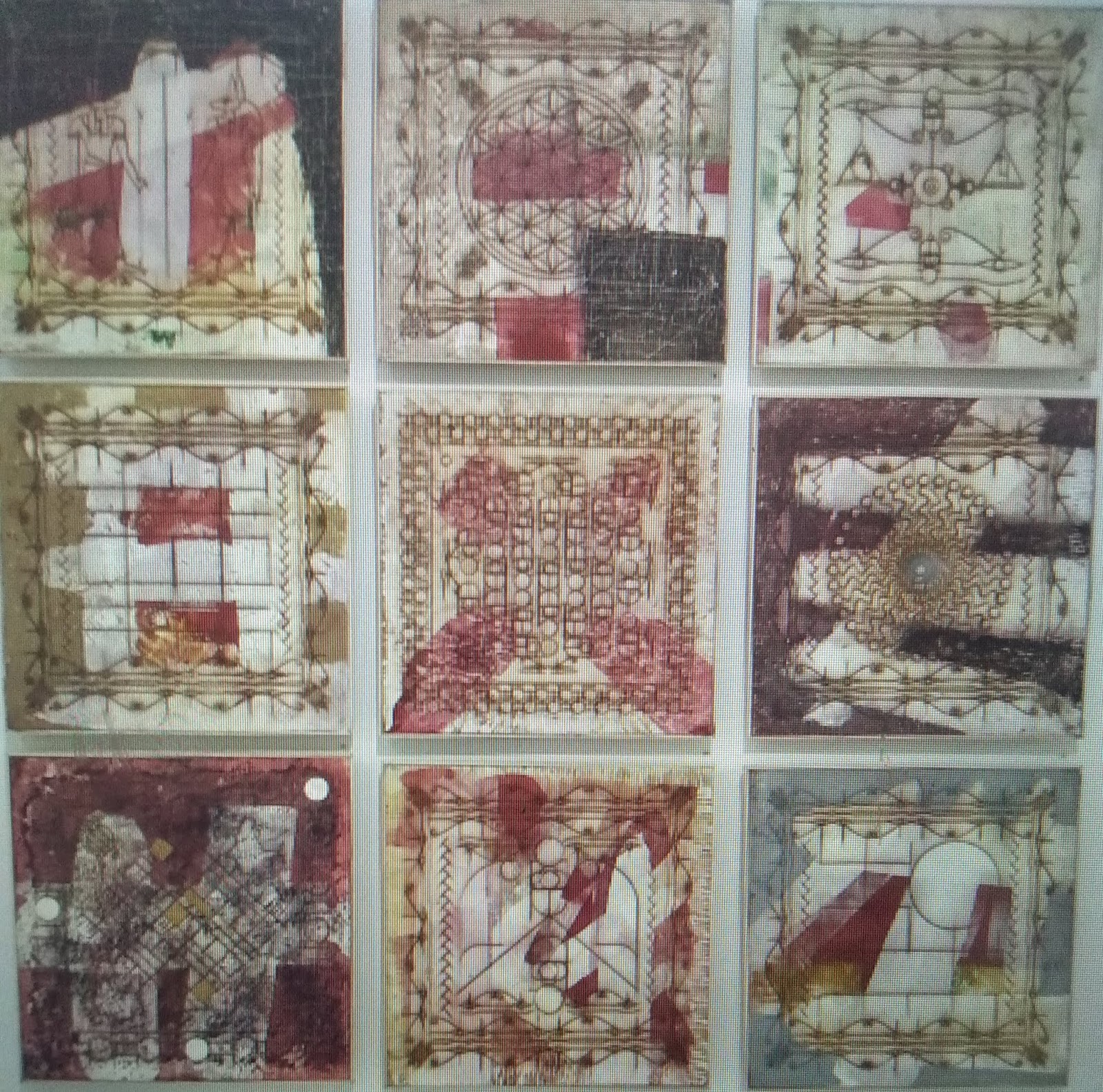
 Joan Otieno
visits junk yards twice a week with the young women she mentors at Warembo
Wasanii. Together they collect mainly plastics which they take back to their
Kariobangi North studio to wash and upcycle into plastic ‘fashions’ which the
girls model at venues like UNEP and the Landmark Building in Karen.
Joan Otieno
visits junk yards twice a week with the young women she mentors at Warembo
Wasanii. Together they collect mainly plastics which they take back to their
Kariobangi North studio to wash and upcycle into plastic ‘fashions’ which the
girls model at venues like UNEP and the Landmark Building in Karen.


